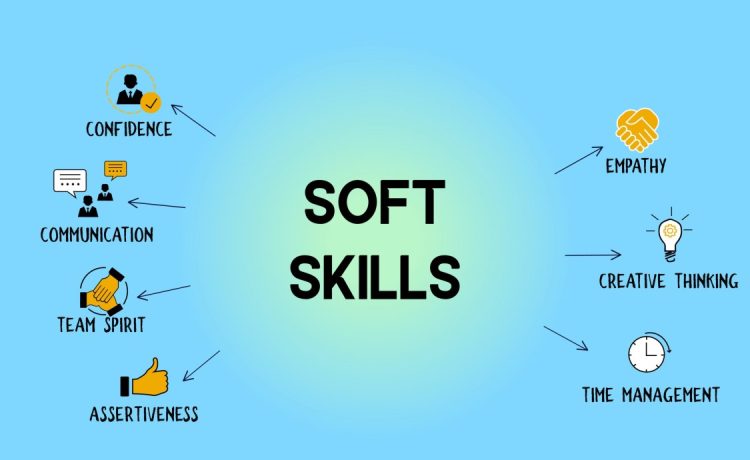
Academic achievement is frequently measured by grade point averages, standardized test scores, and the ability to retain complex theoretical formulas. While these hard academic metrics remain important, they tell only half the story of what enables a student to thrive. Beyond textbooks and lecture halls, students navigate a complex social and professional world that demands a distinct set of personal capabilities. These non-technical attributes, commonly known as soft skills, form the true bedrock of long-term student success. Developing emotional intelligence, communication proficiency, adaptability, and time management equips learners to handle academic pressures and excel in future careers.
Mastering Effective Communication in Academic Settings
Communication is often mistakenly reduced to the simple act of talking or writing down answers. In an academic context, true communication encompasses active listening, articulate verbal expression, and precise written documentation. Students who master these components build stronger collaborative relationships and extract deeper value from their education.
-
Active Listening: This involves listening to understand rather than simply waiting for your turn to speak, allowing students to absorb subtle nuances during lectures and group discussions.
-
Written Clarity: Crafting concise, well-structured emails and papers ensures that ideas are communicated without ambiguity to professors and peers.
-
Constructive Feedback Exchange: Learning how to give and receive critiques gracefully helps students refine their work without taking editorial comments personally.
Strong communication bridges the gap between individual thought and collective understanding, making group projects smoother and classroom interactions far more productive.
Cultivating Adaptability Amid Rapid Changes
The modern educational landscape experiences continuous shifts, ranging from sudden transitions to remote learning software to unexpected changes in project guidelines. Students who lack psychological flexibility often experience intense anxiety and frustration when routines are disrupted.
Cultivating adaptability allows learners to treat unexpected roadblocks not as catastrophic failures, but as normal puzzles to solve. When a research methodology fails or a group member drops out of a project, an adaptable student pivots smoothly to a backup plan. This resilience reduces academic burnout and fosters a mindset of continuous improvement, ensuring that learners remain steady even when faced with ambiguous assignments or shifting institutional rules.
Developing Emotional Intelligence and Empathy
Emotional intelligence is the ability to recognize, understand, and manage our own emotions while effectively navigating the emotional states of those around us. In crowded classrooms and diverse study groups, emotional intelligence dictates how well a student collaborates with others.
-
Self-Regulation: Recognizing feelings of frustration or stress before they turn into disruptive outbursts allows students to take a breath and refocus on their goals.
-
Empathy for Peers: Understanding that a classmate might be struggling with personal issues fosters a compassionate, supportive academic community rather than a hyper-competitive environment.
-
Conflict Resolution: Utilizing emotional awareness during group disagreements helps teams de-escalate tension and find mutually agreeable compromises.
Students who develop high emotional intelligence build robust support networks that sustain them through difficult semesters and challenging group projects.
Practicing Effective Time Management and Self-Discipline
Time management is perhaps the most practical soft skill a student can master. Academic freedom in high school and college requires individuals to transition from relying on external supervision to managing their own schedules entirely.
Effective time management involves prioritizing urgent tasks, breaking large projects into manageable daily milestones, and eliminating digital distractions during study blocks. Developing this discipline prevents the frantic cycles of all-night cramming that destroy sleep schedules and compromise mental health. When students take control of their calendars, they create ample space for both rigorous study and necessary personal downtime, leading to a balanced and sustainable educational experience.
Embracing Constructive Collaboration and Teamwork
Almost every professional career requires working effectively within teams, yet educational systems historically grade students almost exclusively on individual performance. Bridging this gap requires intentional development of collaborative soft skills.
Successful teamwork relies on dividing responsibilities fairly, respecting diverse working styles, and contributing unique strengths to a shared goal. When students learn how to collaborate without micromanaging their peers or shirking their own duties, they experience the synergistic power of group problem-solving. These collaborative experiences mirror the cross-functional teamwork required in contemporary workplaces, preparing students to lead and participate effectively in future professional environments.
Frequently Asked Questions
Can soft skills be taught in a traditional classroom, or are they entirely innate personality traits?
Soft skills are learned behaviors rather than fixed traits. Educators can cultivate them intentionally by incorporating collaborative projects, reflective writing assignments, and peer review sessions into daily curricula.
How do soft skills directly impact performance on hard academic subjects like mathematics or science?
Soft skills such as persistence, time management, and clear communication enable students to stick with difficult problem sets, organize their lab reports logically, and ask targeted questions when they encounter complex scientific concepts.
What is the best way for introverted students to develop professional networking and communication skills?
Introverted students can build communication skills gradually by participating in small-group discussions, utilizing text-based online forums, and practicing structured presentations in supportive, low-stakes environments.
Why do corporate recruiters frequently prioritize soft skills over technical expertise during hiring?
Recruiters know that specific software tools and technical platforms change rapidly, whereas foundational soft skills like adaptability, communication, and emotional intelligence allow employees to master new tools and lead teams effectively.
How do parents support the development of emotional intelligence and resilience at home?
Parents support these skills by encouraging children to solve everyday challenges independently, validating their emotional experiences, and framing mistakes as valuable learning opportunities rather than failures.
How do time management skills reduce the incidence of test anxiety among high school and college students?
Structured time management ensures that students review material across multiple spaced study sessions rather than cramming, which builds genuine confidence and eliminates the panic associated with last-minute preparation.
Can digital learning environments adequately foster strong interpersonal soft skills?
Yes, modern digital platforms utilize breakout rooms, collaborative document editing, and video discussions to ensure that remote students practice active listening, teamwork, and communication just as effectively as in-person learners.