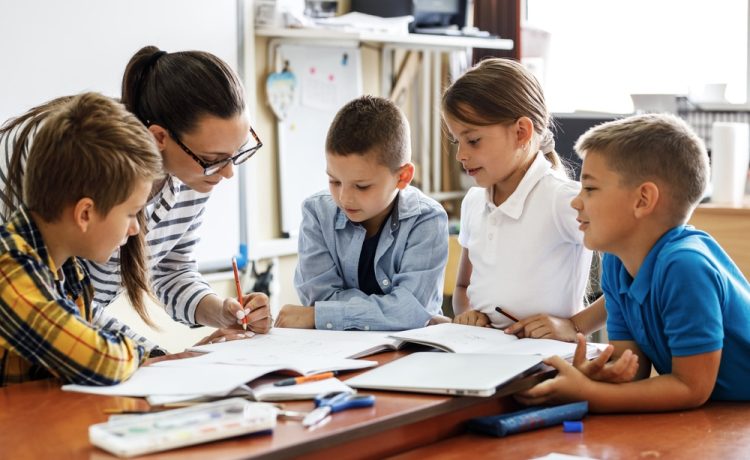
Every classroom is a microcosm of unique cognitive profiles, cultural backgrounds, and personal experiences. For generations, traditional education systems operated under the assumption that a single instructional method could effectively reach every student in a room. However, modern educational research confirms that individuals process, organize, and retain information in distinctly different ways. Some students grasp complex theories best through visual diagrams, others require hands-on physical manipulation of materials, and many thrive through auditory discussions or reading and writing exercises. Supporting diverse learning styles is no longer an optional pedagogical philosophy; it is an absolute necessity for fostering genuine equity and academic achievement in contemporary schools.
Embracing Universal Design for Learning Frameworks
To move away from rigid instructional models, progressive schools are adopting the Universal Design for Learning framework. This approach provides a blueprint for creating flexible learning environments that accommodate individual differences without lowering academic standards or segregating students. The core principle rests on offering multiple means of engagement, representation, and expression.
-
Multiple Means of Representation: Educators provide content through varied formats, combining text with audio recordings, infographics, and interactive simulations so that no single sensory channel acts as a barrier to comprehension.
-
Multiple Means of Expression: Students demonstrate mastery through diverse outputs, such as oral presentations, digital portfolios, or building physical models, rather than relying solely on traditional timed essays.
-
Multiple Means of Engagement: Teachers offer choices in how students approach projects, allowing them to select topics or working styles that spark their intrinsic motivation.
By embedding these flexible structures into daily lesson planning, schools ensure that diverse cognitive needs are met proactively rather than reactively.
Transitioning From Passive Listening to Multi-Sensory Classrooms
Relying exclusively on verbal lectures alienates students who process information kinetically or visually. Modern classrooms are evolving into multi-sensory environments that engage touch, sight, and sound simultaneously to deepen memory encoding.
-
Kinesthetic Engagement: Science and mathematics classes incorporate physical manipulatives, allowing students to build geometric structures or conduct physical experiments to observe chemical reactions firsthand.
-
Visual Mapping: Instructors use color-coded concept maps, flowcharts, and spatial organizers on interactive whiteboards to help visual learners trace connections between complex historical or scientific themes.
-
Auditory Integration: Classroom discussions, podcasts, and structured debates provide auditory learners with the verbal processing space they need to solidify their understanding.
Engaging multiple senses transforms abstract theoretical concepts into concrete, memorable experiences that resonate across different learning profiles.
Leveraging Educational Technology for Differentiated Instruction
Technology plays a vital role in scaling differentiated instruction within crowded classrooms. Manual differentiation is time-consuming for teachers, but software tools can adapt content to individual student profiles seamlessly.
Adaptive learning platforms analyze a student’s performance metrics in real time and automatically adjust the difficulty, reading level, or format of subsequent exercises. If a student struggles with a text-heavy reading assignment, the software can provide an audio summary or a visual infographic explaining the same core concept. Furthermore, assistive technologies such as speech-to-text software, screen readers, and customizable font scaling ensure that students with physical or cognitive processing differences can engage with course material on equal footing.
Redefining Assessment Methods Beyond Standardized Testing
High-stakes standardized tests are notoriously restrictive, often measuring a student’s test-taking stamina and rote memory rather than true subject mastery. Schools that successfully support diverse learners are shifting toward holistic, portfolio-based assessment models.
-
Continuous Performance Tracking: Assessment occurs continuously through formative check-ins, collaborative projects, and reflective journals rather than hinging on a single midterm or final exam.
-
Project-Based Milestones: Students showcase their learning through tangible artifacts, such as software code repositories, documented community service projects, or multimedia documentaries.
-
Self-Assessment Integration: Learners evaluate their own progress against transparent rubrics, developing metacognitive skills that help them understand their personal strengths and growth areas.
This multifaceted approach to evaluation reduces test anxiety and provides a comprehensive, accurate picture of student capability.
Frequently Asked Questions
How can teachers manage differentiated instruction in large classrooms with limited resources?
Teachers manage large classrooms by establishing rotating station rotations, utilizing peer-to-peer mentoring groups, and leveraging automated adaptive software platforms that handle individual practice while the teacher works with small targeted support groups.
Do alternative assessment methods meet state educational standards and graduation requirements?
Yes, alternative assessments like project portfolios and performance tasks are mapped directly to state standards, ensuring that students meet all required academic competencies while demonstrating mastery through creative formats.
What role do parents play in reinforcing learning style accommodations at home?
Parents support learning styles by communicating openly with educators about their child preferences, providing quiet and organized study spaces tailored to sensory needs, and encouraging hobbies that align with how their child naturally processes information.
Are learning styles distinct from diagnosed learning disabilities like dyslexia or ADHD?
Yes, learning styles refer to preferred cognitive approaches and sensory strengths, whereas learning disabilities involve neurological differences in processing specific types of information; however, flexible teaching strategies benefit both groups significantly.
How do schools train educators to identify and adapt to diverse student needs?
Schools provide ongoing professional development workshops, peer observation programs, and collaborative planning time where teachers share strategies for modifying lesson plans to reach varied learners.
What is the financial impact on school districts when upgrading facilities for multi-sensory learning?
While acquiring new technology and tactile learning materials requires initial investment, districts often redirect existing textbook funds toward digital licenses and reusable physical tools, creating long-term cost efficiencies.
How does supporting diverse learning styles impact overall student mental health and engagement?
When students feel that their unique cognitive strengths are understood and valued by their school, anxiety decreases, self-confidence rises, and overall classroom engagement improves dramatically.