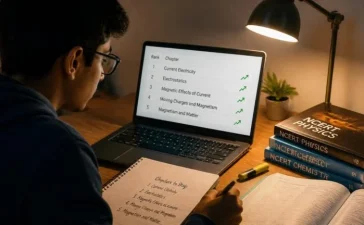
Education has evolved rapidly with the rise of digital technology. Students today can choose between online tutoring and offline coaching, each offering distinct learning experiences. Deciding which option is better depends on learning preferences, academic goals, lifestyle, and access to resources. Understanding the strengths and limitations of both methods helps students and parents make informed choices.
Understanding Online Tutoring
Online tutoring delivers education through digital platforms using video calls, learning apps, and virtual classrooms. It has gained popularity due to convenience and accessibility.
Key features of online tutoring:
- Learn from any location with internet access
- Flexible scheduling options
- Access to a wide range of tutors globally
- Recorded sessions for revision
Online tutoring works well for students who are self-motivated and comfortable with technology.
Understanding Offline Coaching
Offline coaching refers to traditional in-person classes conducted at coaching centers, schools, or institutes. This method emphasizes structured learning and face-to-face interaction.
Core aspects of offline coaching:
- Physical classroom environment
- Fixed schedules and routines
- Direct interaction with teachers
- Peer learning and group discussions
Offline coaching is often preferred by students who benefit from direct supervision and disciplined routines.
Flexibility and Convenience
Flexibility is one of the biggest differentiators between the two modes.
- Online tutoring allows students to choose class timings and learn at their own pace
- Offline coaching follows fixed schedules that require physical presence
Students with busy schedules or long commutes often find online tutoring more convenient.
Learning Environment and Focus
The learning atmosphere plays a critical role in student performance.
- Offline coaching offers a dedicated study environment with fewer household distractions
- Online tutoring requires strong focus and a quiet space at home
Students who struggle with concentration may benefit more from physical classrooms.
Teacher Interaction and Personal Attention
Interaction quality varies between the two formats.
Comparison:
- Offline coaching enables immediate feedback and in-person clarification
- Online tutoring often provides one-on-one attention, especially in personalized sessions
Both methods can be effective when instructor engagement is strong.
Cost and Accessibility
Affordability and access influence learning decisions.
- Online tutoring is generally more cost-effective with no travel expenses
- Offline coaching may involve higher fees and commuting costs
Online platforms also provide access to quality educators regardless of geographical location.
Use of Technology and Learning Tools
Technology enhances modern learning experiences.
- Online tutoring uses digital whiteboards, recordings, quizzes, and analytics
- Offline coaching relies on traditional teaching tools with limited digital integration
Students comfortable with technology may gain more value from online learning environments.
Discipline and Accountability
Consistency matters for academic success.
- Offline coaching enforces discipline through attendance and structured assessments
- Online tutoring requires self-discipline and time management
Learners who need external accountability often perform better in offline settings.
Which Option Is Better?
There is no one-size-fits-all answer. The better option depends on the student’s learning style, goals, and environment.
A blended approach can be effective:
- Online tutoring for flexibility and personalized learning
- Offline coaching for structure and peer interaction
Combining both methods can provide balanced academic support.
FAQs
1. Is online tutoring as effective as offline coaching?
Yes, when delivered by qualified tutors and supported by student discipline, online tutoring can be equally effective.
2. Which option is better for exam preparation?
Offline coaching helps with structured exam preparation, while online tutoring works well for targeted revision and doubt-solving.
3. Do online tutoring sessions offer personalized learning?
Many online platforms provide customized lessons and one-on-one sessions tailored to individual needs.
4. Is offline coaching better for younger students?
Younger students often benefit from offline coaching due to supervision, routine, and social interaction.
5. Can online tutoring replace traditional coaching centers?
For many students, yes. However, some still prefer physical classrooms for motivation and engagement.
6. How important is internet quality for online tutoring?
Stable internet is essential for uninterrupted learning and effective communication during online sessions.
7. Which method helps improve communication skills more?
Offline coaching encourages direct interaction and group discussions, which can enhance communication skills.
Both online tutoring and offline coaching have their own strengths. Choosing the right option depends on personal learning habits, academic objectives, and available resources. When selected thoughtfully, either method can lead to strong educational outcomes.