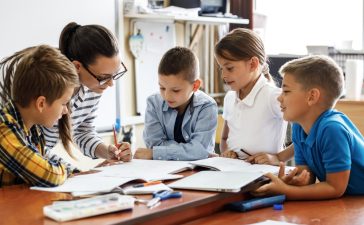
Every modern classroom brings together a unique collection of individuals, each possessing distinct cultural backgrounds, varied cognitive strengths, personal interests, and specific learning paces. Traditional education models frequently rely on a rigid, one-size-fits-all approach, assuming that a single lesson delivered in a uniform manner will resonate equally with every student in the room. Educational research consistently proves this assumption false. When teachers fail to adapt their methods, advanced students grow restless and bored, while struggling learners fall hopelessly behind. Differentiated instruction is the strategic response to this challenge, enabling educators to proactively modify content, processes, and products to match the diverse readiness levels and learning profiles of all students.
Understanding the Core Pillars of Differentiation
Differentiating instruction is not about creating thirty distinct lesson plans for thirty individual students. Instead, it involves designing a flexible instructional core that can be adjusted across three major pedagogical pillars: content, process, and product.
-
Content Modification: This involves changing what students learn or how they access the core information. While some students read a standard textbook chapter, others might listen to an audio recording, analyze an infographic, or explore an interactive digital simulation covering the exact same concept.
-
Process Adaptation: This focuses on how students make sense of the material. Instructors can provide varied pathways for learning, such as small group collaborative investigations, step-by-step guided worksheets, or independent inquiry projects based on individual student needs.
-
Product Variation: This dictates how students demonstrate what they have learned. Rather than forcing every student to write a traditional five-paragraph essay, teachers can offer choices such as building physical models, recording multimedia presentations, or designing digital concept maps.
Adjusting these three pillars ensures that instruction remains accessible and rigorous for every learner in the room without lowering academic expectations.
Assessing Readiness and Learning Profiles Proactively
Effective differentiation cannot occur in a vacuum. Before an educator can successfully tailor lessons, they must gather accurate, real-time data regarding their students current proficiency levels, preferred modalities, and personal interests.
Formative assessments serve as the primary diagnostic tool for this process. Quick entry tickets, concept check-ins, and low-stakes polls administered at the end of a lesson reveal who has mastered the material and who requires targeted intervention. Furthermore, understanding student learning profiles—whether an individual processes information best visually, auditorily, or kinetically—allows teachers to group students strategically. By pairing learners with complementary strengths or providing tiered assignments based on baseline readiness, classrooms become dynamic environments where support is precisely targeted.
Implementing Flexible Grouping Strategies
Fixed ability grouping, where students are permanently segregated into high, medium, or low tracks, often damages student self-esteem and limits academic growth. Modern differentiation replaces static tracking with flexible grouping, which changes fluidly depending on the specific learning objective.
-
Skill-Based Cohorts: Students who struggle with a particular mathematical formula are brought together for a brief, targeted mini-lesson with the teacher, while the rest of the class engages in independent extension activities.
-
Interest-Based Teams: When researching a broad historical era, learners form groups based on which specific subtopic interests them most, fostering deep intrinsic motivation.
-
Randomized Collaborative Pairs: Mixing students of varying academic abilities encourages peer teaching, where advanced learners solidify their understanding by explaining concepts to classmates.
This fluidity prevents labeling and ensures that every student experiences both leadership roles and collaborative support throughout the academic term.
Leveraging Technology to Scale Differentiation
Managing a differentiated classroom manually can impose heavy administrative burdens on educators. Fortunately, modern educational technology acts as a powerful amplifier for personalized instruction.
Adaptive learning software evaluates student responses during digital assignments in real time, automatically adjusting the difficulty level and providing customized feedback or remedial hints. Assistive tools such as text-to-speech programs, adjustable font scaling, and translation features ensure that English language learners and students with reading difficulties can access core academic content independently. By automating routine practice and data collection, technology frees up teachers to focus their energy on direct, small-group mentorship.
Designing Tiered Assignments and Open-Ended Tasks
Tiered assignments allow an entire class to focus on the same core learning objective while working at different levels of complexity and abstraction. For example, in a science unit on ecosystems, all students explore food webs, but the complexity of the organisms analyzed and the depth of the analytical questions vary according to readiness.
Open-ended tasks complement tiered assignments by allowing for multiple correct pathways and outcomes. When students are given projects with broad parameters rather than rigid, step-by-step instructions, they can approach the challenge using their unique strengths. This freedom encourages critical thinking, creativity, and genuine ownership over the educational experience.
Frequently Asked Questions
How can a single teacher manage grading and assessment for thirty students completing completely different project products?
Teachers streamline grading by utilizing transparent, skill-based rubrics that evaluate core competencies regardless of the chosen format, ensuring that whether a student submits a podcast, a poster, or a written report, they are assessed against the exact same academic standards.
Does differentiating instruction mean lowering academic standards for struggling learners?
No, differentiation is not about watering down the curriculum; it is about providing necessary scaffolds and varied pathways so that every student can access rigorous, high-level content and achieve the same ultimate learning goals.
How do educators balance differentiated instruction with strict state testing requirements?
Differentiated instruction actually improves standardized test performance because it ensures that students truly understand underlying concepts rather than relying on rote memorization, preparing them to tackle complex, analytical testing questions effectively.
What is the best way to introduce differentiation to students who are accustomed to traditional instruction?
Teachers should introduce differentiation gradually by explaining the rationale behind student choices, starting with small-choice menus for assignments before transitioning into fully tiered projects and flexible grouping models.
How can schools support teachers who feel overwhelmed by the planning requirements of differentiation?
Schools can provide collaborative planning time during professional development days, share digital resource banks of pre-tiered lesson templates, and encourage grade-level teams to co-create differentiated materials together.
Are differentiated strategies effective for gifted and talented students who finish assignments quickly?
Yes, differentiation provides advanced learners with complex extension tasks, open-ended inquiry projects, and abstract challenges that prevent boredom and stimulate continued intellectual growth.
How do cultural backgrounds influence how students respond to differentiated learning environments?
Cultural norms shape how comfortable students are with collaborative group work, independent inquiry, or direct questioning, requiring educators to cultivate culturally responsive classrooms where diverse communication styles are respected.