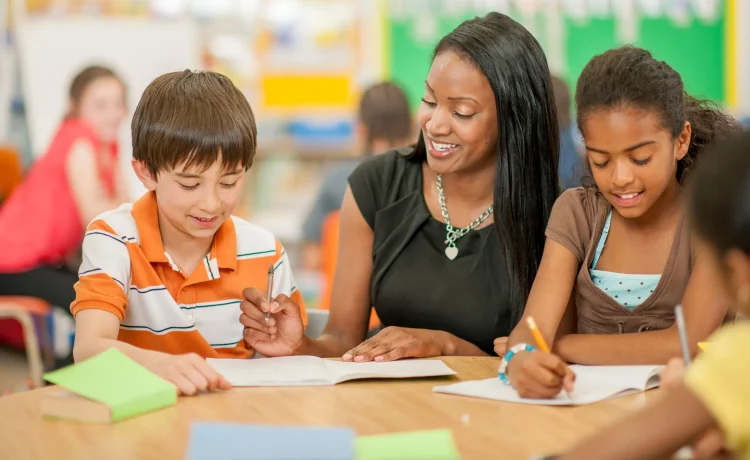
In contemporary education, the traditional model of solitary study is gradually being replaced by more interactive approaches. One of the most transformative methods to gain momentum is collaborative learning, where students work together to achieve a common goal. This strategy promotes deeper understanding and creates a dynamic learning environment. Let’s explore the numerous advantages that collaborative learning offers in the classroom setting.
Students looking to improve their skills can benefit from Practice Worksheets that focus on hands-on learning. These worksheets provide targeted exercises in subjects like math, grammar, and science, helping learners strengthen their understanding. Regular practice with these materials enhances retention and builds confidence in tackling academic challenges.
1. Encourages Critical Thinking and Problem-Solving
At the heart of collaborative learning lies the opportunity for students to engage in discussions and debates, refining their ability to think critically. By collaborating with peers, students encounter various perspectives on the same topic, which challenges their thinking and often leads them to reconsider their views. This process of evaluating, questioning, and debating promotes deeper cognitive engagement with the material. As students tackle complex problems together, they often develop innovative solutions that would be difficult to achieve individually.
For instance, in a group project focused on environmental science, students may combine their knowledge of biology, chemistry, and geography to propose a solution for sustainable energy usage. The interconnection of ideas fosters creativity, making the problem-solving process both engaging and enriching.
2. Promotes Peer-to-Peer Learning
Collaborative learning creates an environment where students can learn not only from their instructors but also from one another. Peer-to-peer learning is an essential aspect of this method, as it enables students to explain concepts in ways that are relatable to their classmates. For many students, hearing explanations from peers, who might be closer in age and experience, is often more accessible than from a teacher.
When a student explains a complex idea to a peer, it reinforces their own understanding of the material. Moreover, teaching others helps to solidify knowledge, as students must recall and simplify concepts to make them understandable. This reciprocal learning system benefits both the learner and the teacher within the group.
3. Improves Communication Skills
In a collaborative learning environment, communication is key. Students must articulate their thoughts, listen attentively to others, and provide constructive feedback. This ongoing exchange cultivates strong verbal and non-verbal communication skills. Over time, students become adept at presenting their ideas clearly and responding thoughtfully to others, skills that are crucial not only in the classroom but also in future professional settings.
Moreover, working in groups can help students become more comfortable with public speaking, as they frequently present their collective findings or ideas to the rest of the class. As students engage in group discussions, they also learn the nuances of listening actively and respecting diverse opinions, which further enriches their ability to communicate effectively.
4. Builds Social and Emotional Skills
Collaborative learning fosters a sense of community in the classroom, where students are encouraged to collaborate and support one another. This teamwork helps develop essential social skills such as empathy, patience, and conflict resolution. As students navigate differences in opinion or working styles, they learn how to compromise and resolve disagreements constructively. These social and emotional skills are critical for success in both academic and real-world contexts.
Additionally, working in a group setting allows students to build positive relationships with their peers. When students feel a sense of belonging and camaraderie within a group, their confidence and self-esteem tend to grow. They also learn how to contribute effectively to a team, which helps develop a sense of shared responsibility.
5. Increases Engagement and Motivation
Traditional lecture-based learning often leads to passive participation, where students simply listen without actively engaging with the material. In contrast, collaborative learning keeps students actively involved in the learning process. When students work together, they are more likely to stay motivated and engaged, as they feel a sense of ownership and responsibility for the success of the group.
The social aspect of collaborative learning also plays a role in enhancing motivation. As students interact with peers, they often feel accountable not just to their teacher but also to their team members. This peer accountability can increase the drive to contribute meaningfully to the group’s work, which leads to higher levels of engagement and a greater commitment to learning.
6. Develops Time Management and Organizational Skills
Collaborative projects require students to manage their time effectively. With deadlines to meet and tasks to divide, students must plan and coordinate their efforts, ensuring that each member contributes to the group’s objectives. Through this process, they develop essential organizational skills, such as prioritizing tasks, setting goals, and managing resources efficiently.
Working on group assignments also teaches students how to delegate responsibilities based on individual strengths. This helps them not only learn to manage their time but also understand the importance of working as part of a team to achieve a common goal.
7. Encourages Inclusivity and Diverse Perspectives
In a collaborative learning environment, students from diverse backgrounds and experiences come together to share their knowledge. This inclusivity introduces a range of perspectives and ideas that can enrich the learning process. The exchange of diverse viewpoints allows students to see issues from multiple angles, fostering an appreciation for different cultures, viewpoints, and ideas.
Moreover, collaborative learning encourages the inclusion of students who might otherwise struggle in more traditional settings. The support of peers can help students who need extra assistance feel more confident in expressing themselves, leading to a more inclusive and supportive classroom atmosphere.
8. Prepares Students for the Future Workforce
The workplace of the future increasingly demands strong collaboration and teamwork skills. As organizations grow more complex and interconnected, employees must be able to work efficiently in teams. By practicing collaboration in the classroom, students gain the experience and skills necessary to thrive in a professional environment. From brainstorming sessions to collective problem-solving, the teamwork skills developed through collaborative learning are directly transferable to many aspects of the modern workforce.
In industries such as healthcare, technology, and business, collaboration is a core aspect of success. Therefore, students who experience this kind of learning are better equipped to handle the collaborative challenges they will face after graduation.
9. Fosters Accountability and Responsibility
When students work in groups, each individual is held accountable for their contribution to the overall success of the project. This sense of responsibility ensures that students stay focused and contribute to the team’s objectives. Moreover, it encourages self-reflection, as students evaluate their role within the group and strive to improve their individual performance.
Collaborative learning nurtures an environment where students understand the importance of meeting deadlines, communicating effectively, and delivering quality work. These experiences instill a strong sense of accountability that will benefit them in future academic and professional endeavors.
Final Reflections
Collaborative learning brings numerous advantages to the classroom, extending beyond academic achievement. It nurtures critical thinking, improves communication, fosters social skills, and motivates students to engage more deeply with their education. As students work together to solve problems, share knowledge, and achieve common goals, they develop the skills and mindsets that will serve them throughout their lives. Whether in school or the workplace, the lessons learned through collaboration are indispensable for success in the interconnected world we live in.